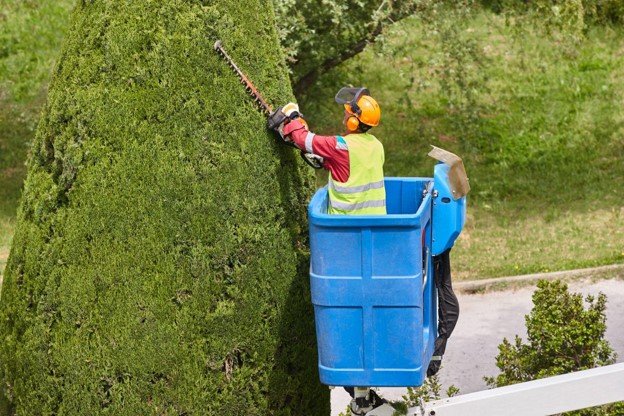
Best Time of Year for Tree Trimming in Northeast Ohio
For homeowners in Streetsboro, the changing seasons are more than just a calendar; they are a guide for property maintenance. While many residents think of tree trimming and pruning in Streetsboro as a chore for a sunny Saturday in July, the biological reality of our local “urban forest” is much more nuanced.
Trimming a tree at the wrong time can leave it vulnerable to disease, pests, and winter dieback. Conversely, trimming at the right time can supercharge a tree’s growth and save you thousands in future tree removal costs. This guide breaks down the “Northeast Ohio Pruning Calendar” to help you time your maintenance perfectly.
The Gold Standard: Late Winter “Dormant Pruning”
In the professional world of Streetsboro Tree Service, late winter (typically February to early March) is considered the “Gold Standard” for tree care. Here is why dormant pruning is the best choice for your wallet and your trees:
1. Visibility of the structure
Without leaves obscuring the view, an arborist can see the “skeleton” of the tree. This makes it significantly easier to identify cross-branches, “V-shaped” crotches, and internal decay that might be hidden in the summer. We can make more precise cuts that improve the tree’s long-term structural integrity.
2. Disease prevention
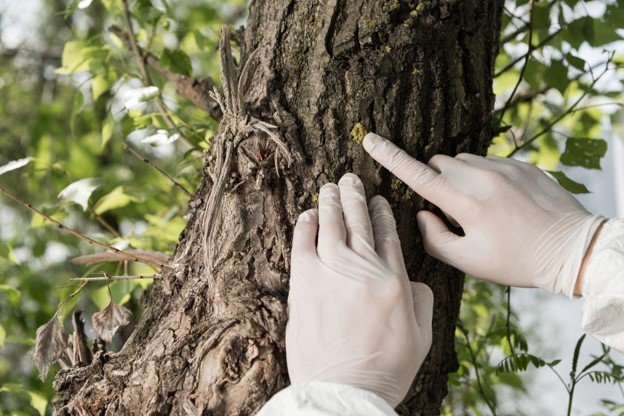
Many of the fungi and bacteria that infect trees in Portage County are also dormant during the winter. When we make a pruning cut in February, the “wound” isn’t immediately bombarded by spores or pests like the Emerald Ash Borer or Oak Wilt beetles. By the time these pests wake up in the spring, the tree has already begun the process of “compartmentalization” (sealing the wound).
3. Rapid spring recovery
Pruning just before the sap begins to flow means the tree’s energy is directed exactly where you want it. Instead of wasting energy on dead or crowded limbs, the tree puts all its spring “push” into the healthy branches we’ve left behind, resulting in a lush, vibrant canopy by June.
Spring Pruning: Timing the “Bloom”
Spring pruning in Northeast Ohio is a delicate balance. If you prune too early in the spring, you risk “bleeding” (excessive sap flow) in species like Maples and Birches. While sap bleeding isn’t usually fatal, it can attract pests and look unsightly.
Flowering Trees
The rule for flowering trees is simple: Prune immediately after they finish blooming.
- Spring Bloomers (Lilacs, Magnolias, Crabapples): If you prune these in the winter, you are cutting off this year’s flowers. Wait until the petals drop, then prune to shape.
- Summer Bloomers: These can usually be pruned in late winter or early spring, as they bloom on “new wood” grown during the current season.
Summer Pruning: Maintenance and “The 25% Rule.”
Summer pruning is generally reserved for two things: slowing down growth and removing hazards.
- Slowing growth: If a tree is getting too close to power lines or your roof, summer is an excellent time to prune. Because the tree has already spent its energy “pushing” spring leaves, it has less energy to regrow branches quickly after a summer cut.
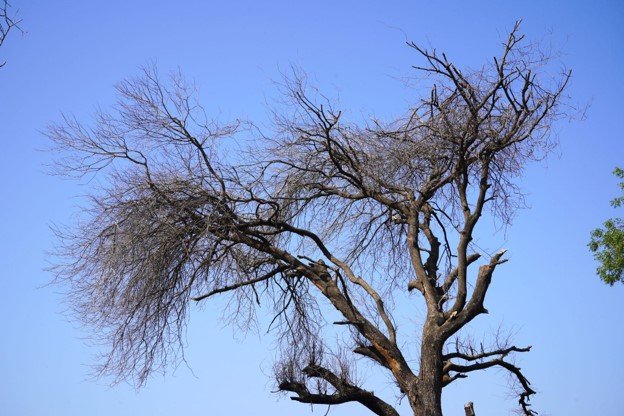
- Identifying “deadwood”: Sometimes it is easier for a homeowner to spot dead branches when the rest of the tree is green. If you see a “hole” in the canopy where no leaves are growing, that branch is likely dead and should be removed during a storm damage cleanup in Streetsboro to prevent it from falling.
The Danger Zone: Never remove more than 25% of a tree’s living canopy during the summer. In the heat of an Ohio July, a tree needs those leaves to produce food and stay cool. Over-pruning in the summer can lead to “sunscald” on the trunk and permanent stunted growth.
Fall: The Worst Time for Tree Trimming
If there is one season to avoid tree service for anything other than an emergency, it is autumn.
- Healing takes energy: In the fall, trees are trying to pull nutrients inward to their roots for winter storage. A pruning cut forces the tree to redirect energy outward to heal the wound, which can weaken it before the first hard freeze.
- Fungal peak: Fungi spread through spores, and autumn is the peak season for spore release. A fresh pruning cut in October is like an open door for decay-causing fungi.
- Delayed dormancy: Pruning can sometimes stimulate a “flush” of new growth. If a warm October leads to new sprouts, and then a sudden Streetsboro cold snap hits, those new branches will freeze and die, creating more emergency tree service needs for you.
Species-Specific Timing for Northeast Ohio
Not all trees follow the same clock. Here are the specific requirements for common Streetsboro species:
1. Oaks (The Oak Wilt Window)
Never prune Oaks between April and July. In Northeast Ohio, Oak Wilt is a devastating fungal disease spread by small beetles attracted to fresh sap. To protect your Oaks, only prune them in the dead of winter (December through February).
2. Maples and Walnuts
These are “bleeders.” They produce heavy sap flow in late winter and early spring (this is how we get Ohio maple syrup!). To avoid a mess, prune these in mid-summer or late fall after they have gone dormant.
3. Evergreens and Pines
Pines and Spruces are best pruned in the late spring during the “candling” stage. This is when the new growth at the tip of the branch looks like a light green candle. Pinching or cutting these back by half will result in a thicker, fuller evergreen.
Emergency Trimming: When the “Best Time” Doesn’t Matter
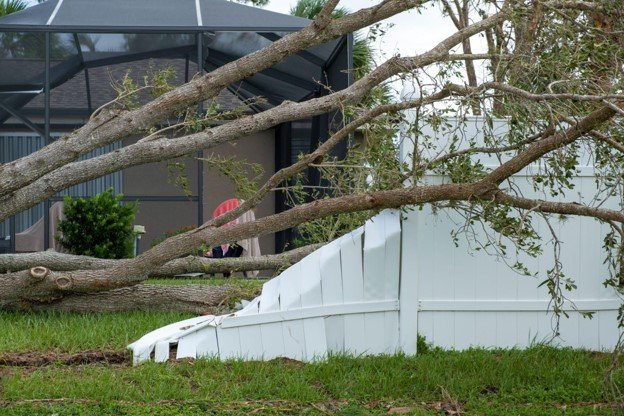
While the seasonal calendar is important for health and aesthetics, safety always comes first. If a branch is rubbing against your siding, hanging over a power line, or has been split by a storm, the “best time” to trim it is right now. Leaving a hazardous limb until winter just to satisfy a biological preference is a recipe for expensive property damage.
Our team at Streetsboro Tree Service provides 24/7 hazard assessments to help you determine if a branch can wait or if it needs to go immediately.
Why Professional Timing Saves You Money
Hiring a professional service like Streetsboro Tree Service ensures that your trees aren’t just “cut,” but “managed.”
- Expertise in local pests: We know exactly when the Emerald Ash Borer and Spotted Lanternfly are most active, and we time our cuts to avoid attracting them to your property.
- The right tools for the job: Pruning a large tree in the winter requires specialized climbing gear and bucket trucks that can operate in Streetsboro’s snow and ice.
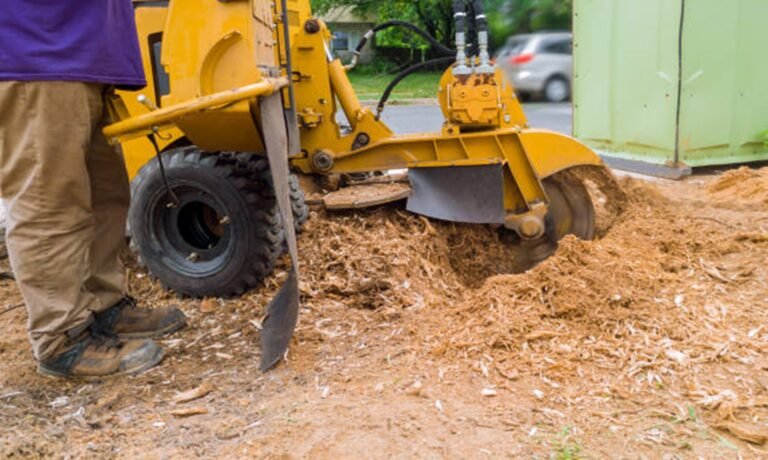
- Long-term ROI: A tree pruned correctly in its youth will never need a $3,000 stump grinding and removal service caused by structural failure 20 years later.
Conclusion: Planning Your Pruning Schedule
To keep your Streetsboro yard healthy and beautiful, follow the “Late Winter Rule” for the majority of your trees. Use the spring and summer for minor “shaping” and deadwood removal, and treat autumn as a time for the trees to rest.
By aligning your maintenance with the natural rhythms of the Ohio climate, you reduce stress on your trees, minimize the risk of disease, and ensure that your property remains an asset rather than a liability.
Seasonal Cheat Sheet:
- Late Winter (Feb-March): Best for almost all deciduous trees.
- Spring (May-June): Best for spring-flowering trees (after bloom).
- Summer (July-August): Best for slowing growth or removing deadwood.
- Autumn (Sept-Nov): Avoid pruning; focus on mulching and watering.
- Anytime: Emergency tree removal for hazardous limbs.
Next step for you
Not sure if your trees are ready for a winter trim or a summer shape-up? Contact us for a seasonal pruning assessment in Streetsboro. We’ll walk your property and create a custom trimming schedule that fits the specific needs of your trees and your budget.